
The Art
AboutTaekwon-Do
Korean in origin and famous for its spectacular range of kicks and punches — a martial art that develops the student physically and mentally.
Taekwon-Do is a modern and dynamic martial art, developed by General Choi Hong Hi (1918–2002) over his lifetime and unveiled to the world on 11 April 1955.
Korean in origin, Taekwon-Do is famous for its spectacular range of kicks and punches. The study of Taekwon-Do aims not only to develop the student physically, but mentally also, creating a well rounded and balanced individual. To achieve this aim General Choi Hong-Hi based his art on Asian moral culture and included in his art the Tenets of Taekwon-Do.
By incorporating these basic values into one’s behaviour, General Choi believed a person could become a better member of society.
In the dojang
Technique, power and control

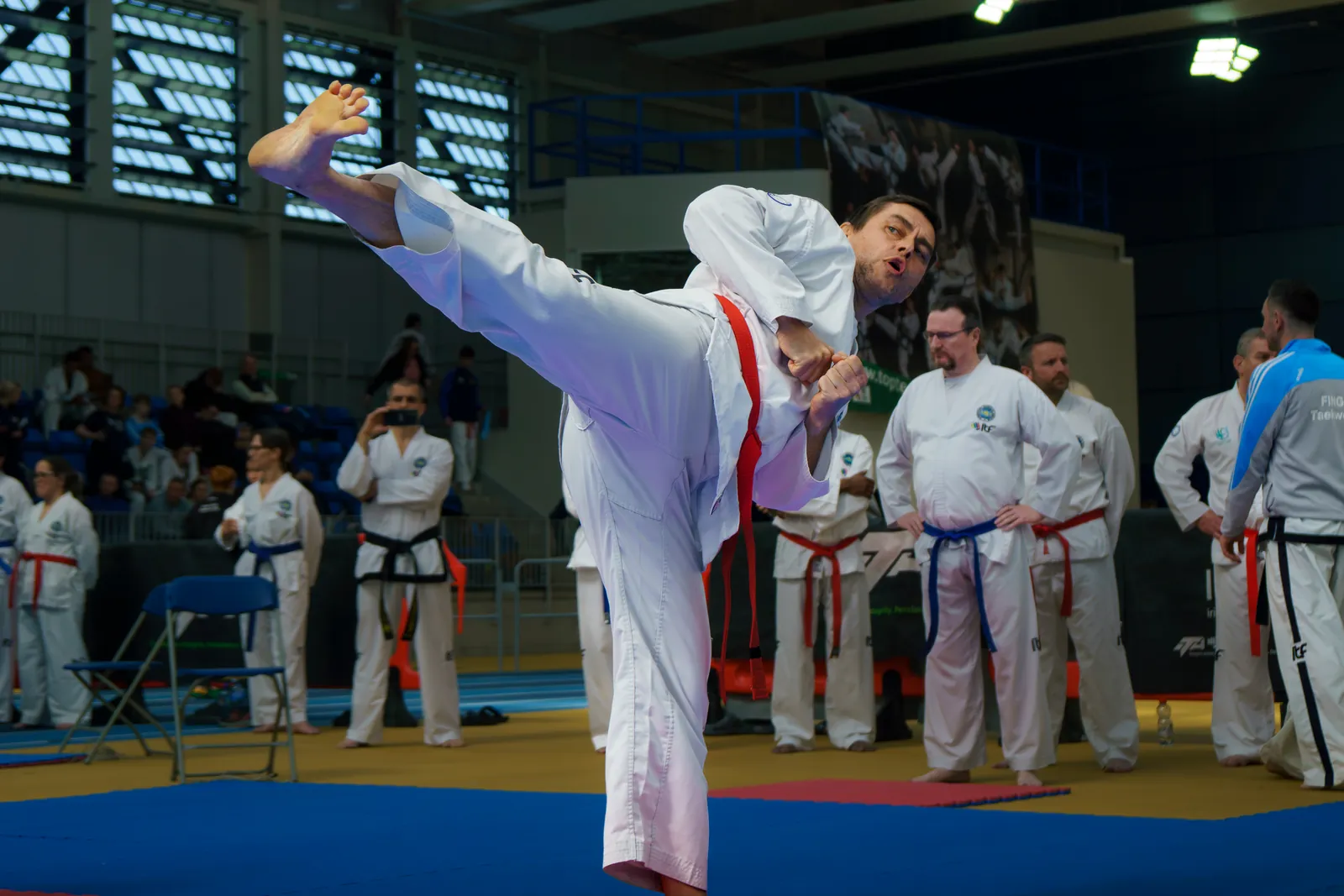
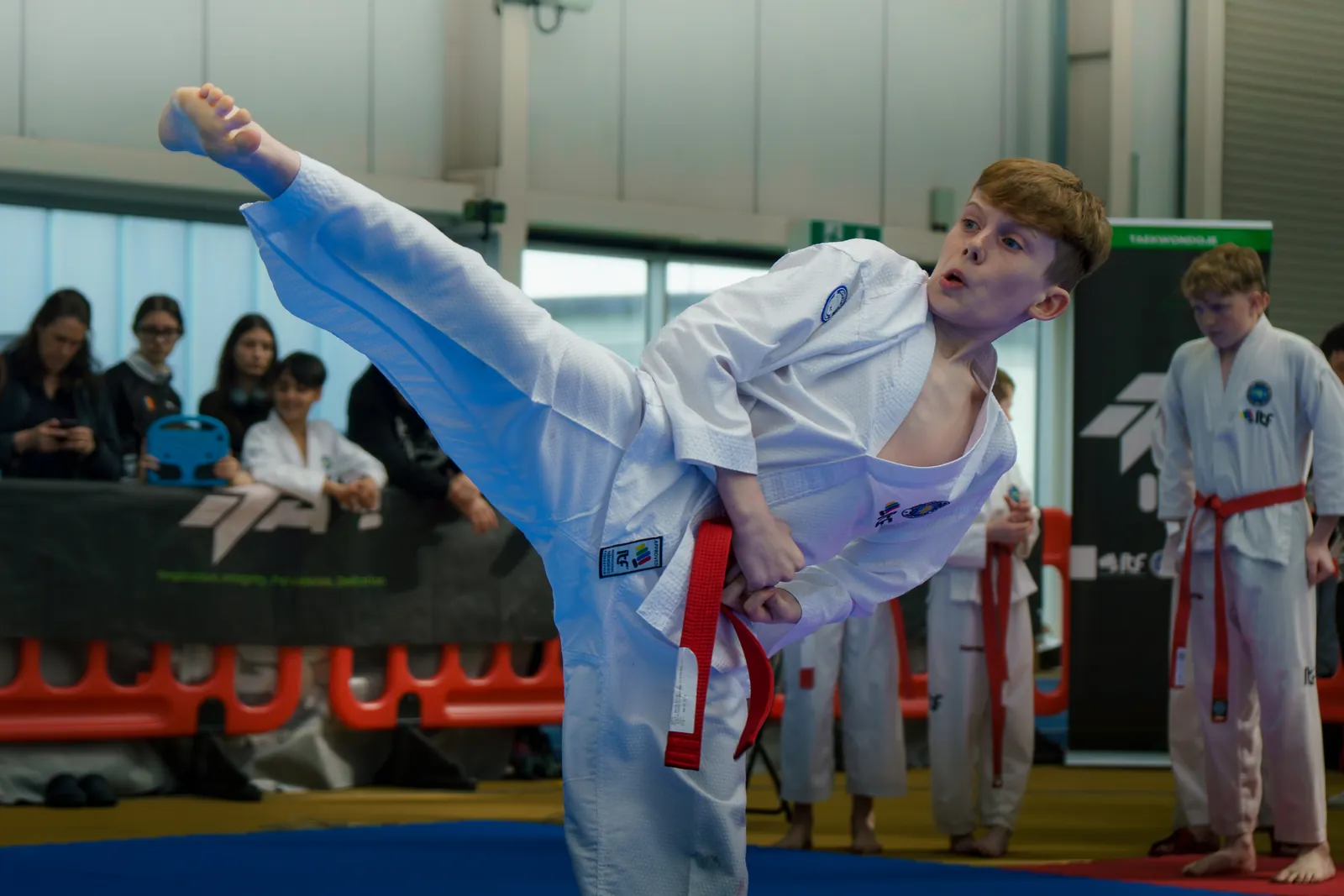
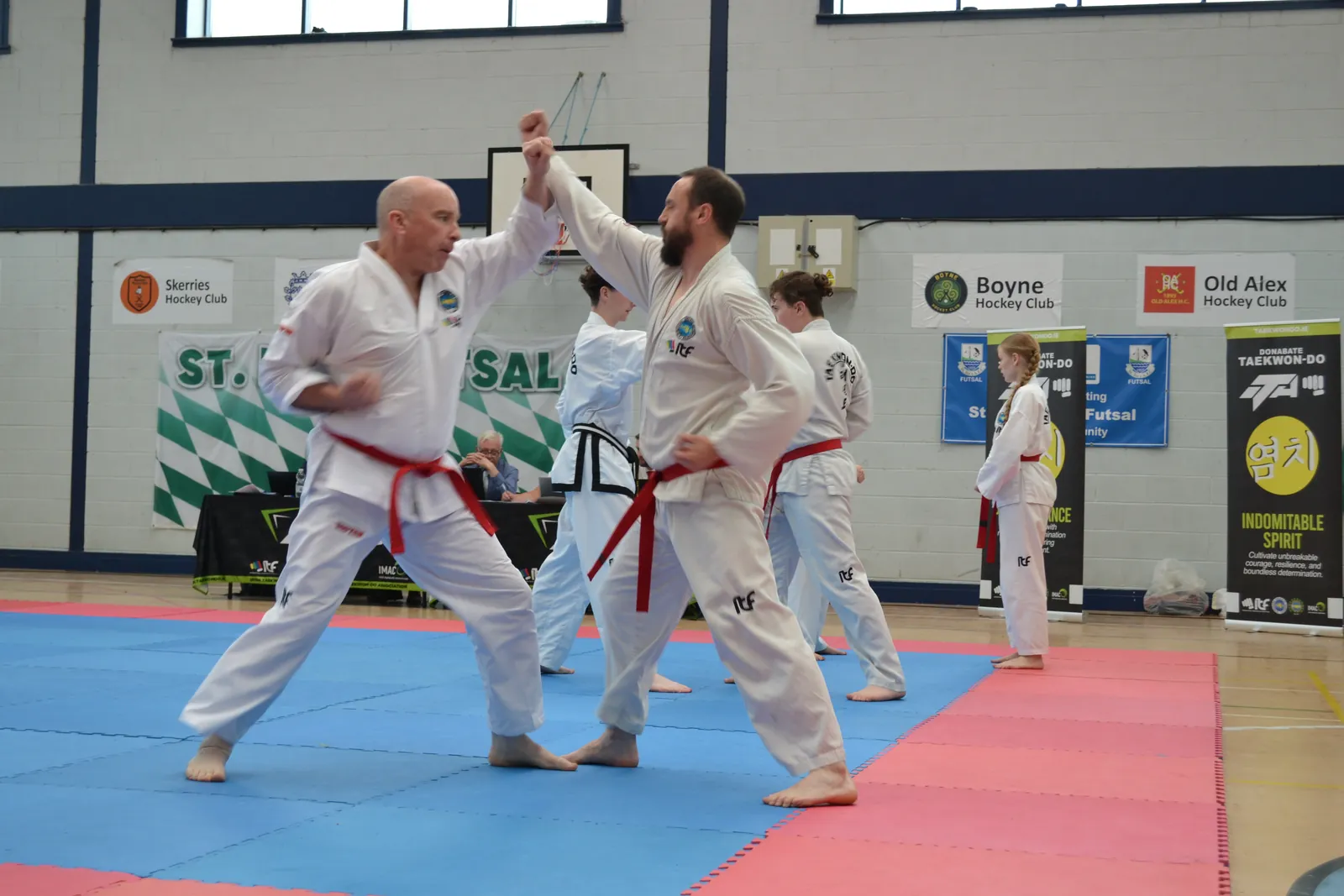


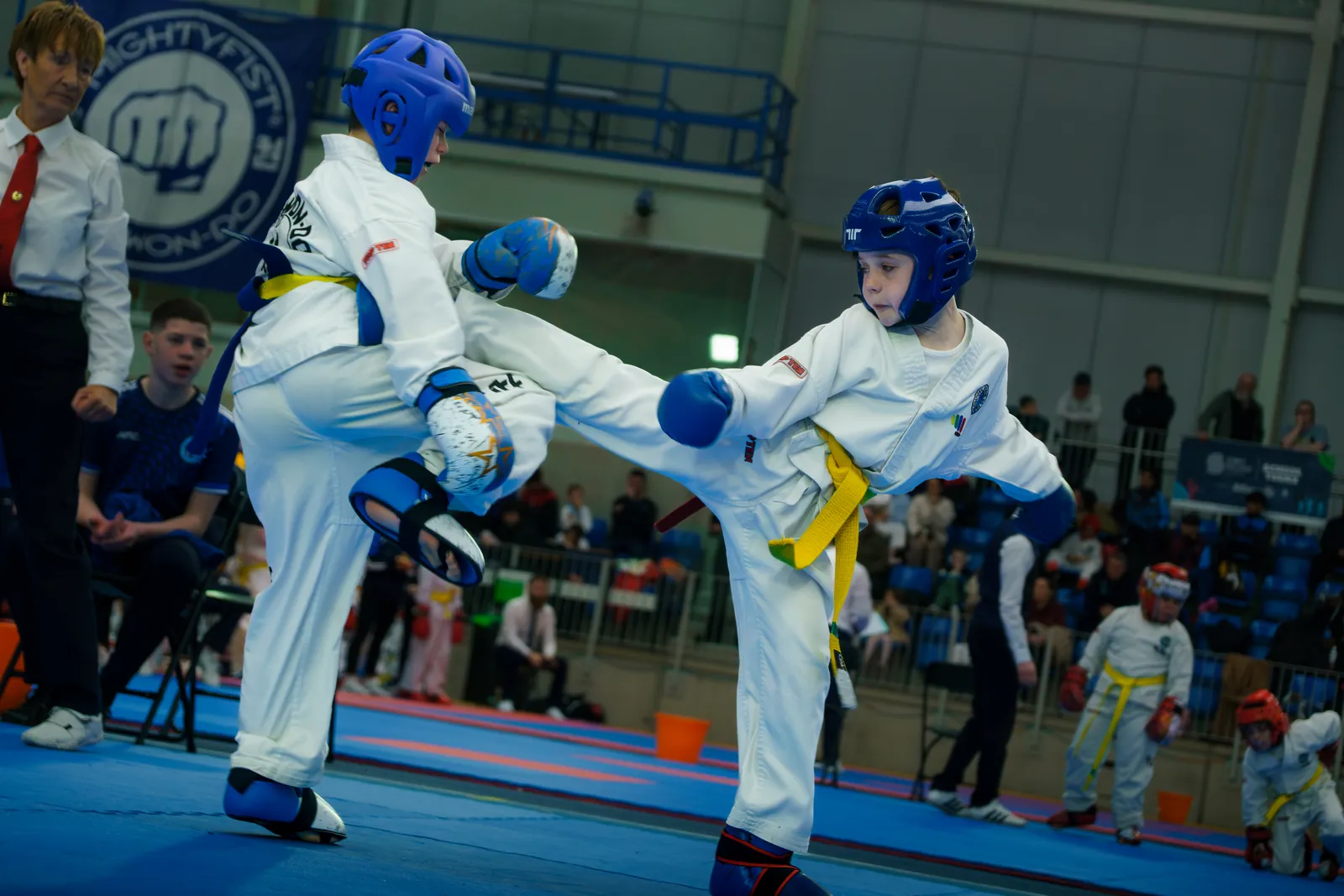
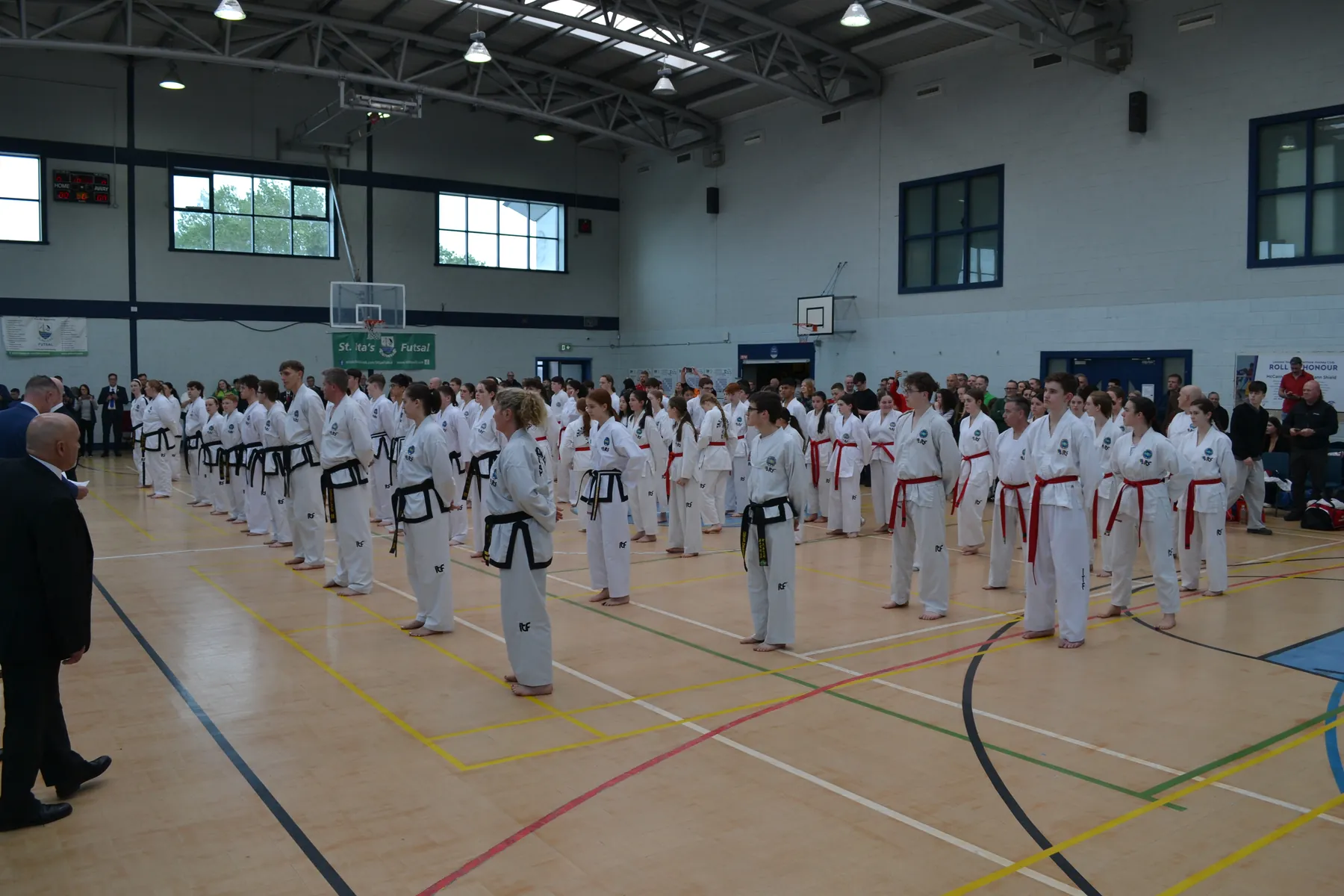
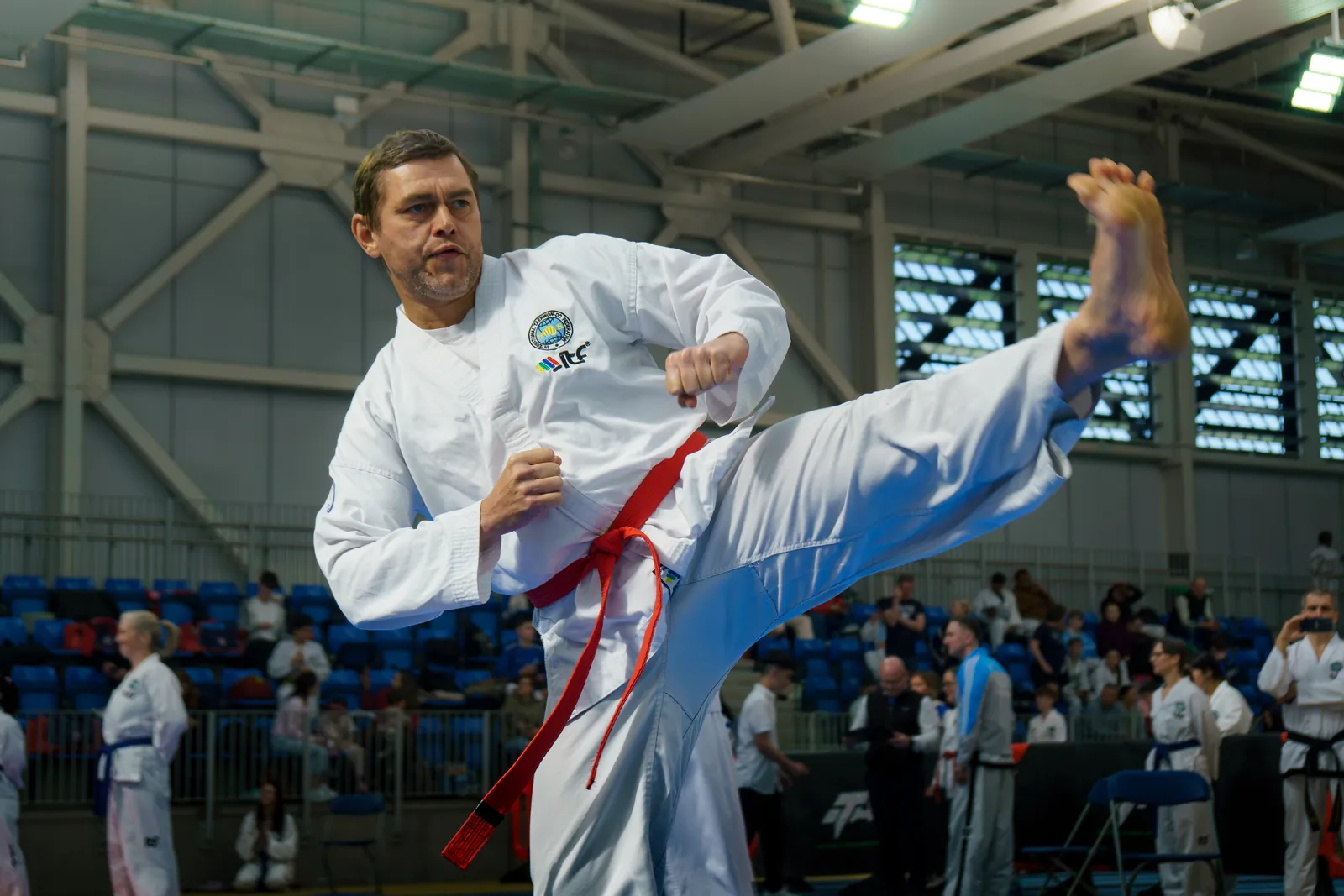
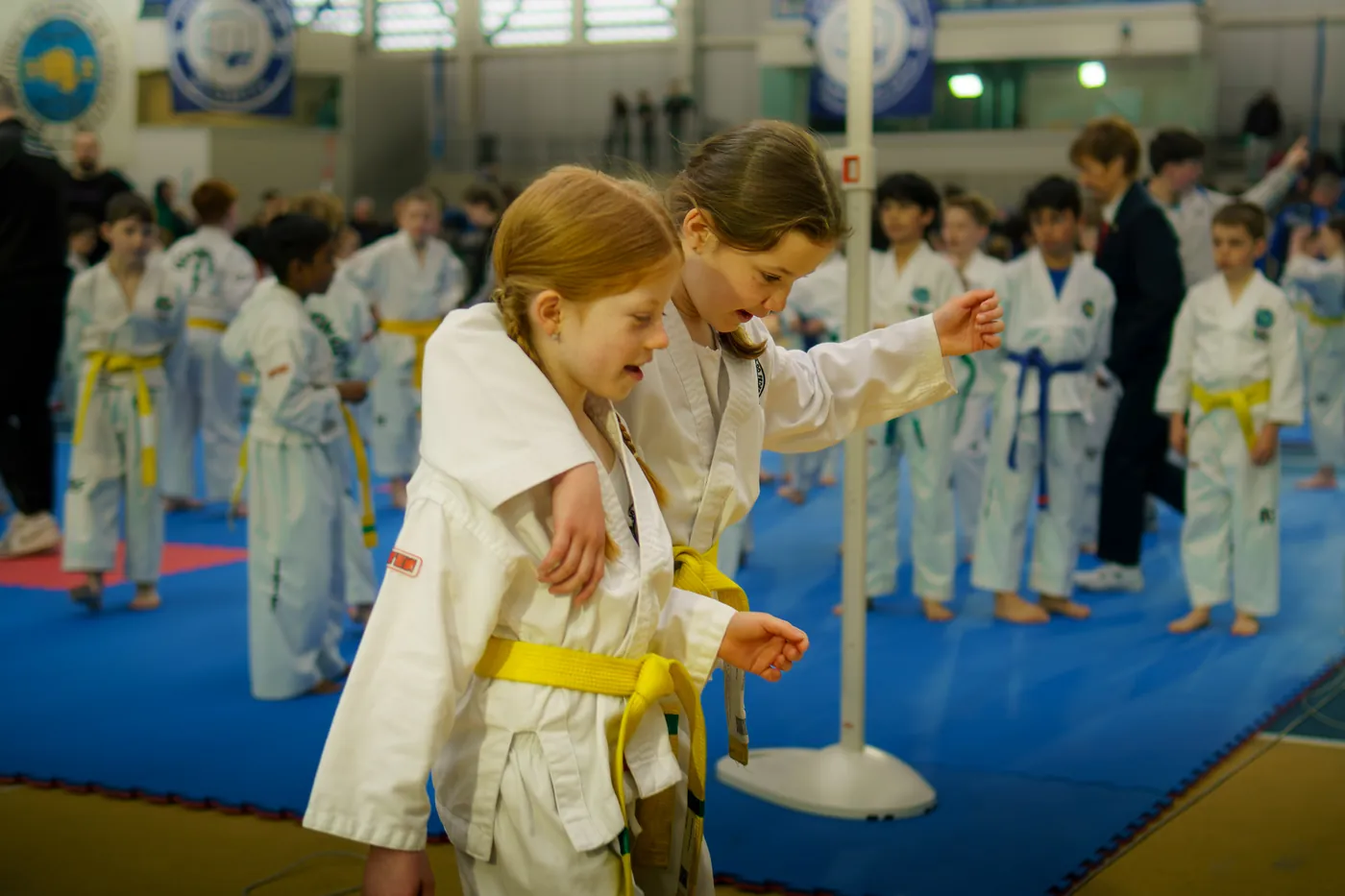
01
The Tenets of Taekwon-Do
- Courtesy
- Integrity
- Perseverance
- Self-Control
- Indomitable Spirit
02
Physical benefits
Through regular practice of Taekwon-Do students can expect to achieve noticeable physical benefits including strength, speed, coordination, balance, endurance, flexibility, weight regulation and self-confidence.
A Taekwon-Do class provides a dynamic cardiovascular workout combined with strength work, conditioning and stretching to increase flexibility.
The syllabus provides for the setting of achievable short, medium and long term goals. This means that the student learns the importance of self motivation and the reward of working toward and achieving a challenging target.
03
The ranking system
The rank system in Taekwon-Do is designed so that a student training regularly can work towards grading at intervals of 3–6 months during the colour belt levels. Immediately after a successful grading the student then begins learning the syllabus appropriate for the next grade level, which will include more advanced patterns, fundamental movements and pre-arranged sparring.
This system means that each individual student can develop skills at their own pace while working toward pre-determined goals and objectives. The challenge of learning and mastering new patterns and techniques after each grading can be viewed as a reward for one’s successful grading — creating and maintaining a unique freshness about Taekwon-Do that one can enjoy over a lifetime.
04
Most importantly, Taekwon-Do is fun
Taekwon-Do above all else is a highly enjoyable and rewarding activity. Taekwon-Do clubs provide a social environment where one can make friends through a shared interest. Many of the exercises are based upon team work and a spirit of cooperation, which supports the development of effective social skills.
Taekwon-Do
Learn more

Start training
Find your nearest ITA club
Over 100 clubs nationwide with qualified, Garda-vetted and first-aid trained instructors.